Please consider a small donation when you download a resource. Here’s why…
Too many people face barriers to getting the right help with food and eating challenges, which is why I’m committed to making these resources free and easy to access for anyone who needs them. If you can make a donation, it means I can continue creating and sharing these resources freely, while also offering more consultations at reduced rates for those who need additional support. Together, we can help ensure that more people feel empowered in their relationship with food, regardless of the challenges they face.
Thank you for your kindness and support. Every donation, no matter the size, makes a meaningful difference. ❤️
Neurodivergent Worksheets, Guides and Tools
-
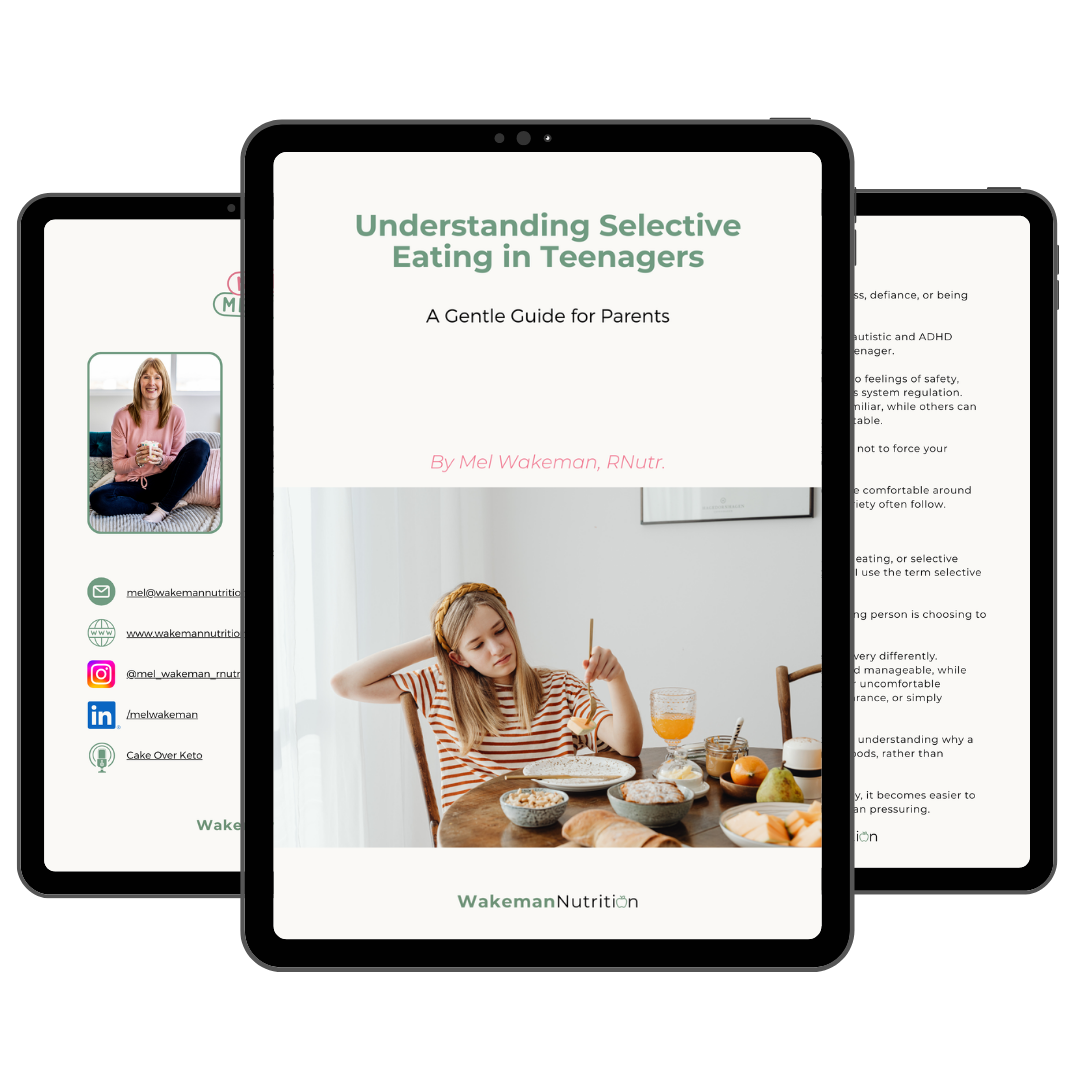
Understanding Selective Eating in Teenagers
A gentle, neuro-affirming guide for parents designed to help you better understand selective eating with curiosity rather than judgement. This resource explores why some teenagers experience food as a source of stress, uncertainty, or sensory overwhelm, and how creating safety, predictability, and autonomy can support change over time. Through compassionate guidance, practical examples, and low-pressure strategies, you'll learn how to reduce mealtime anxiety, recognise progress beyond eating, and build confidence without force or persuasion. There's no expectation to fix or change your teenager, just an invitation to better understand their experience and create the conditions where flexibility can grow naturally.
-
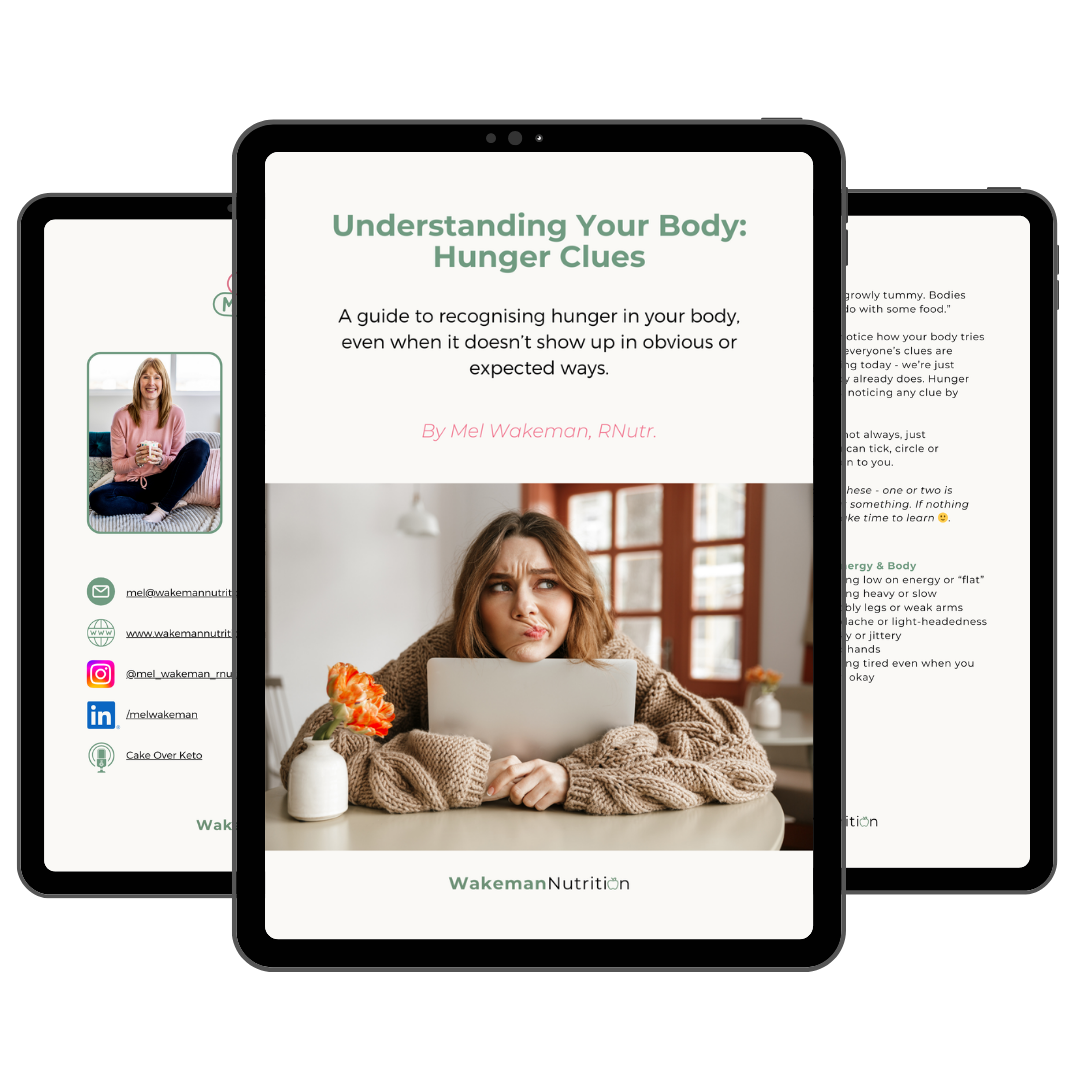
Understanding Your Body: Hunger Clues
A supportive, neuro-affirming guide designed to help you make sense of hunger beyond a growling stomach. This resource gently explores the different ways hunger can show up in the body, mind, energy, and emotions, especially when signals feel muted, confusing, or inconsistent. Through reflection prompts and simple mapping, you’re invited to notice your own unique hunger clues at your pace. There’s no fixing, forcing, or “getting it right”, just curiosity, compassion, and a deeper understanding of how your body asks for fuel.
-

12 Ways to Encourage Eating
A gentle, neuro-affirming guide packed with ideas to support eating when it feels overwhelming, unappealing, or simply too much. These 12 suggestions offer ways to lower the mental and sensory load: from using reminders and routine, to choosing dopamine-friendly foods, body doubling, and leaning on what feels comforting. This resource centres your needs and encourages flexible, sustainable strategies to support nourishment, without pressure or shame.
-

The 3 T’s: a simple way to ease decisions and enjoy food more
Here is my guide, The 3 T’s: A Simple Way to Ease Decisions and Enjoy Food More, created to support those moments when choosing what to eat feels overwhelming. Especially helpful for neurodivergent folks or anyone dealing with decision fatigue, this resource invites you to explore food through three sensory cues: Temperature, Taste, and Texture. It’s a gentle, practical way to reconnect with what feels good in the moment—no pressure, no rules. Because your preferences matter, and eating can be a soothing, satisfying experience that supports both your body and your mind.
-

Interoception Challenges in Neurodivergent Burnout
This resource explores five common obstacles that can make eating harder during neurodivergent burnout: from missing hunger cues and misinterpreting body signals, to struggling with planning, taking action, and completing the task of eating. It offers a compassionate look at how executive function, overwhelm, and interoception all play a part. Designed to validate your experience and reduce shame, it encourages you to work with your brain and body, not against them, and introduces neuro-affirming strategies to make eating feel more accessible.
-

Dopamine, eating and neurodivergence
Here is my guide, Dopamine and Eating Behaviours, created to gently explore how dopamine shapes our relationship with food. Especially supportive for neurodivergent folks, it unpacks why we eat for comfort, stimulation, or relief — not just hunger — and offers a compassionate, science-backed lens on eating habits. Because your needs matter, and food can be a nourishing, affirming part of caring for both body and mind.
-

5 Ways to make eating a little easier when you're exhausted: ADHD / Autistic Burnout
Here is my guide, 5 Ways to Make Eating a Little Easier When You’re Exhausted, created to support neurodivergent individuals experiencing ADHD or Autistic burnout. This resource provides practical, low-effort strategies to simplify eating and reduce overwhelm during challenging times. From easy meal ideas to tips for managing energy and sensory needs, this guide is here to help you take small steps toward self-care with kindness and ease.
-

Create a soothing sensory self care kit
Here is my guide, Build Your Own Soothing Sensory Self-Care Kit, designed to help you create a personalised collection of sensory tools to manage overwhelm and promote calm. This resource explores how sensory self-care can support daily activities like eating, resting, or socialising, with examples for each of the senses. Use the editable sections or printable page to customise your toolkit and find what works best for you. Happy soothing!
-

Food Lists
Here is my ‘Food lists’ template. Created to help reduce some of the decision fatigue around eating; reminding you that you still need to eat. Food lists can also be helpful when it comes to meal planning and organisation, going food shopping or if you’re looking to approach any food fears or triggers around eating. Meal plans should also be flexible, accommodate your food preferences, sensitives and time / spoons needed to make or get something to eat.
-

Neurodiversity and Eating Disorders
Here is my guide, Neurodiversity and Eating Disorders, created to help neurodivergent individuals and their supporters understand the unique challenges they may face with food and eating. It explores the links between neurodivergence and eating behaviours, offering compassionate insights and actionable strategies for better support and understanding.
-

The Importance of Safe Foods
Here is my guide, The Importance of Safe Foods, created to celebrate and validate the essential role that safe, predictable foods play in the lives of neurodivergent individuals. This resource explains why safe foods provide comfort, reliability, and nourishment while challenging societal stigma around food choices. It's a reminder that your needs are valid, and there's no one-size-fits-all approach to eating or health.
Menopause Worksheets, Guides and Tools
-
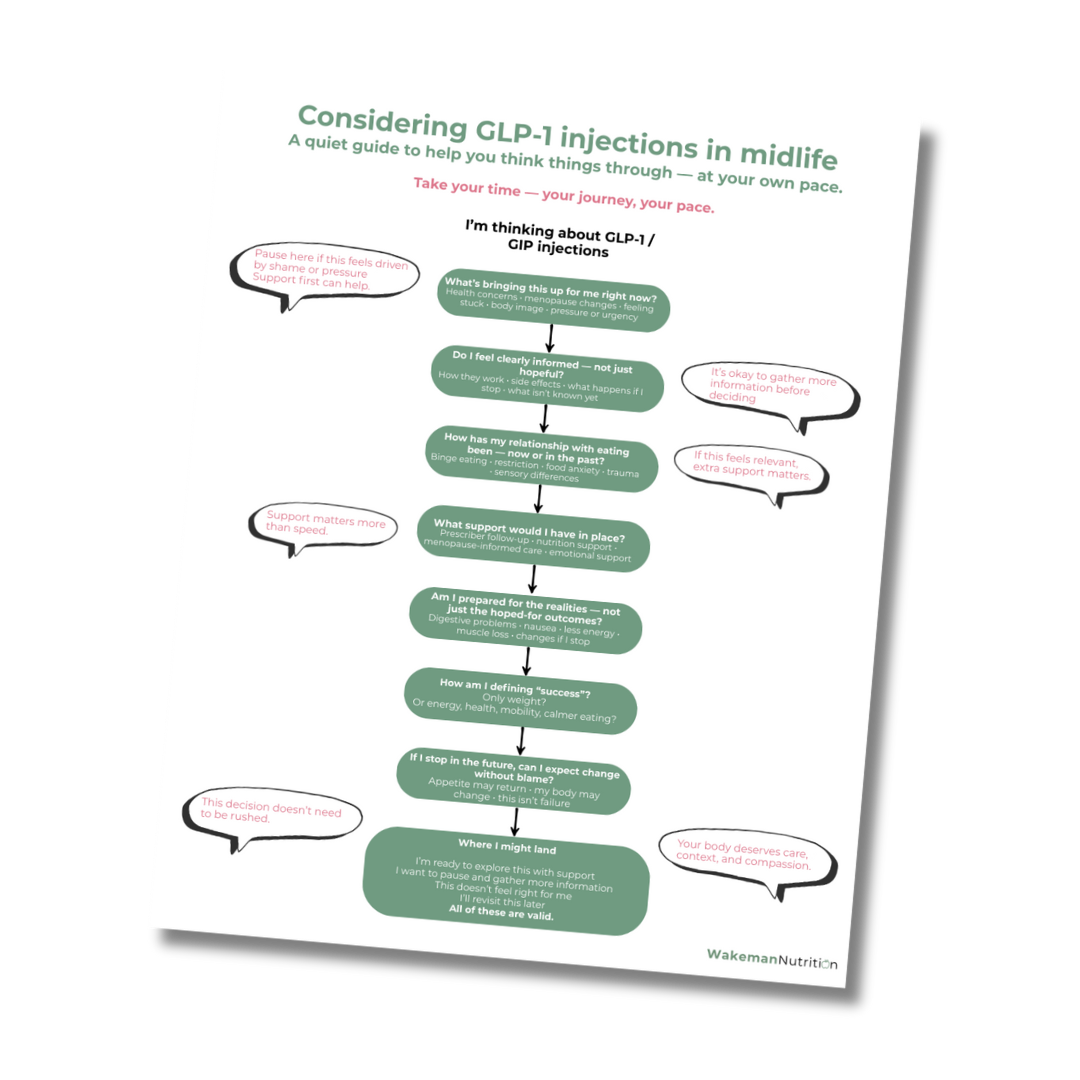
Flowchart on GLP-1 Injections
A calm, non-judgemental reflection guide for anyone considering GLP-1/GIP injections in midlife. It encourages slowing down, getting informed, exploring personal context and support needs, and making a decision rooted in care rather than pressure — with reassurance that pausing or changing your mind is always valid.
-

Sleep Tips and The Best Sleepy Snacks
Here is my guide, Sleep Tips and The Best Sleepy Snacks, created to help individuals who struggle with sleep find gentle, practical ways to support better rest. It explores how lifestyle habits and nourishing snacks can play a role in easing you into sleep, offering compassionate insights and simple strategies to help you wind down and feel more settled at night.
-

Managing Hot Flushes in Menopause
Here is my guide on Managing Hot Flushes in Menopause, created to help you navigate one of the most common (and often frustrating) symptoms of menopause with practical, gentle strategies. It explores why hot flushes happen, common triggers, and how small shifts in your day. You’ll also find compassionate guidance on when it might be helpful to consider therapies, supplements or medications, always with a focus on what feels right for you.
-

Calcium, Menopause and Bone Health
Here is my guide, Calcium, Menopause and Bone Health, designed to help you understand why calcium is so vital during and after the menopause transition. In this resource, I break down how hormonal changes impact bone health, the role of calcium in supporting your overall wellbeing, and how to meet your calcium needs through diet and supplementation. Whether you’re navigating menopause yourself or want to be proactive about protecting your bones, this guide provides practical, judgment-free advice to help you make informed choices
-

5 things you should know about menopausal weight gain
Here is my guide, 5 Things You Should Know About Menopausal Weight Gain, to help you understand why weight changes during menopause happen and how to approach them with kindness and confidence. This resource challenges outdated myths, highlights the real role of hormones, and provides practical advice for navigating midlife changes without judgment or guilt.
-
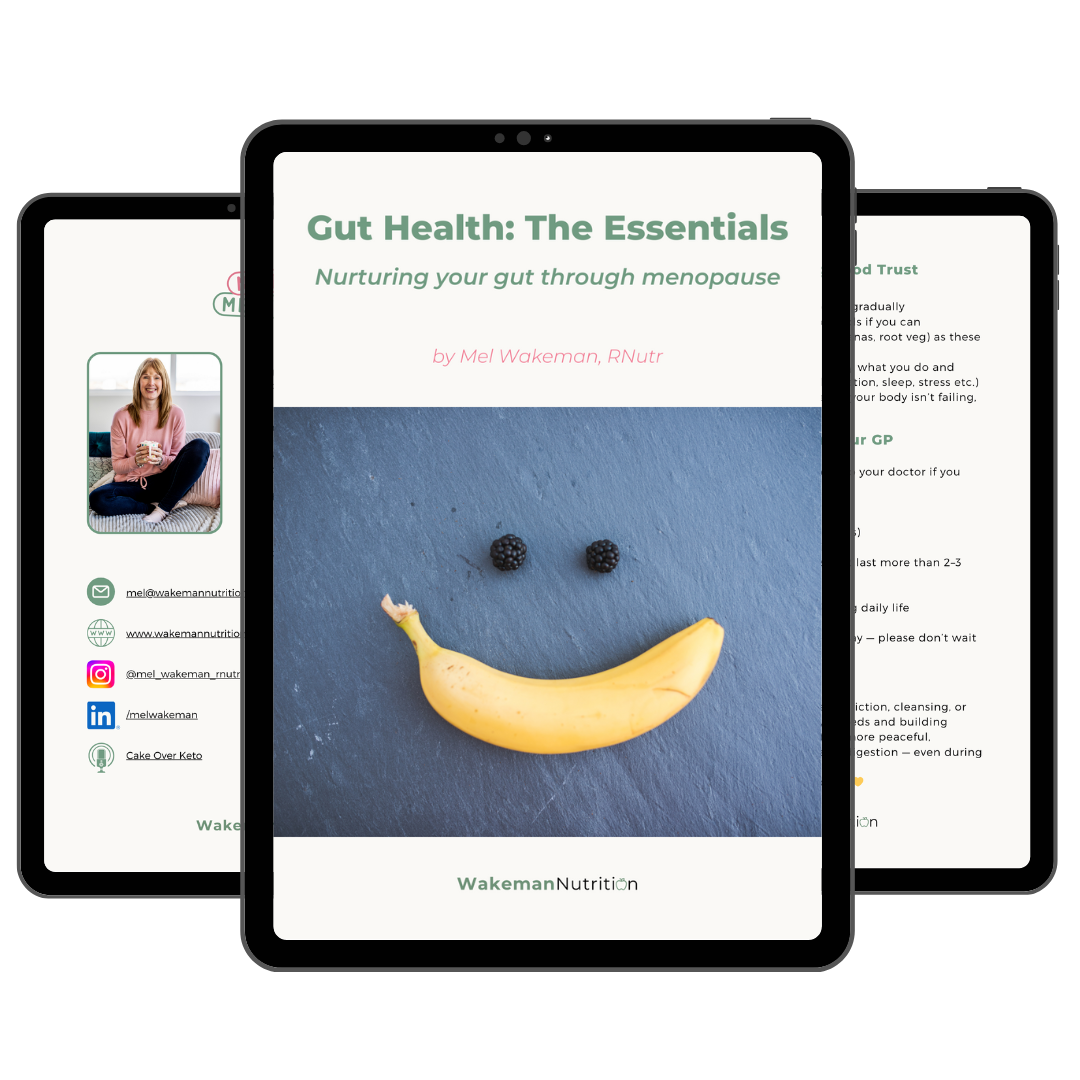
Gut Health
The Essentials, created to help you understand how your gut works, how menopause might shape digestion and the microbiome, and ways you can support your gut gently, without rigid rules or expensive products. It looks at prebiotics, probiotics, lifestyle foundations like stress and sleep, and clears up common gut myths, all through a compassionate, practical lens. Whether you’re curious about bloating, fibre, or simply want a calmer, more trusting relationship with food and digestion, this guide is here to support you.
Other Worksheets, Guides and Tools
-
Understanding Selective Eating in Teenagers
A gentle, neuro-affirming guide for parents designed to help you better understand selective eating with curiosity rather than judgement. This resource explores why some teenagers experience food as a source of stress, uncertainty, or sensory overwhelm, and how creating safety, predictability, and autonomy can support change over time. Through compassionate guidance, practical examples, and low-pressure strategies, you'll learn how to reduce mealtime anxiety, recognise progress beyond eating, and build confidence without force or persuasion. There's no expectation to fix or change your teenager, just an invitation to better understand their experience and create the conditions where flexibility can grow naturally.
-
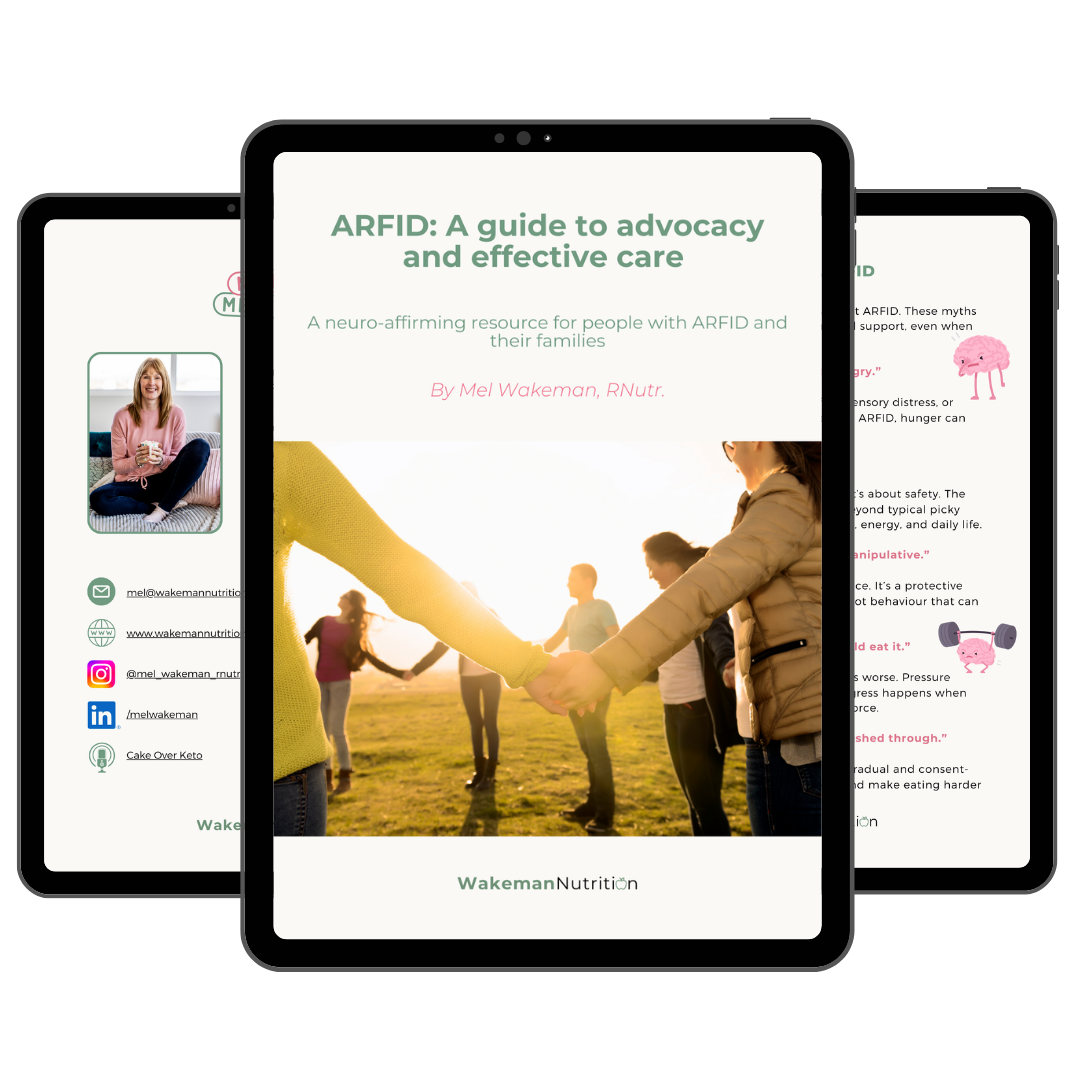
ARFID: A Guide to Advocacy and Effective Care
This resource, ARFID: A Guide to Advocacy and Effective Care, is designed to support people with ARFID, their families, and those around them to better understand what ARFID really is and how support can be more effective and compassionate. It offers a clear, neuro-affirming overview of ARFID in plain language, addressing common myths and explaining why pressure and force often make eating more difficult. The guide explores the hidden effort involved in eating, fluctuating capacity, sensory needs, and the importance of supportive, consent-led language. It also includes practical guidance on advocacy and reasonable adjustments, helping you ask for the kind of care that increases safety, understanding, and trust around food and eating
-
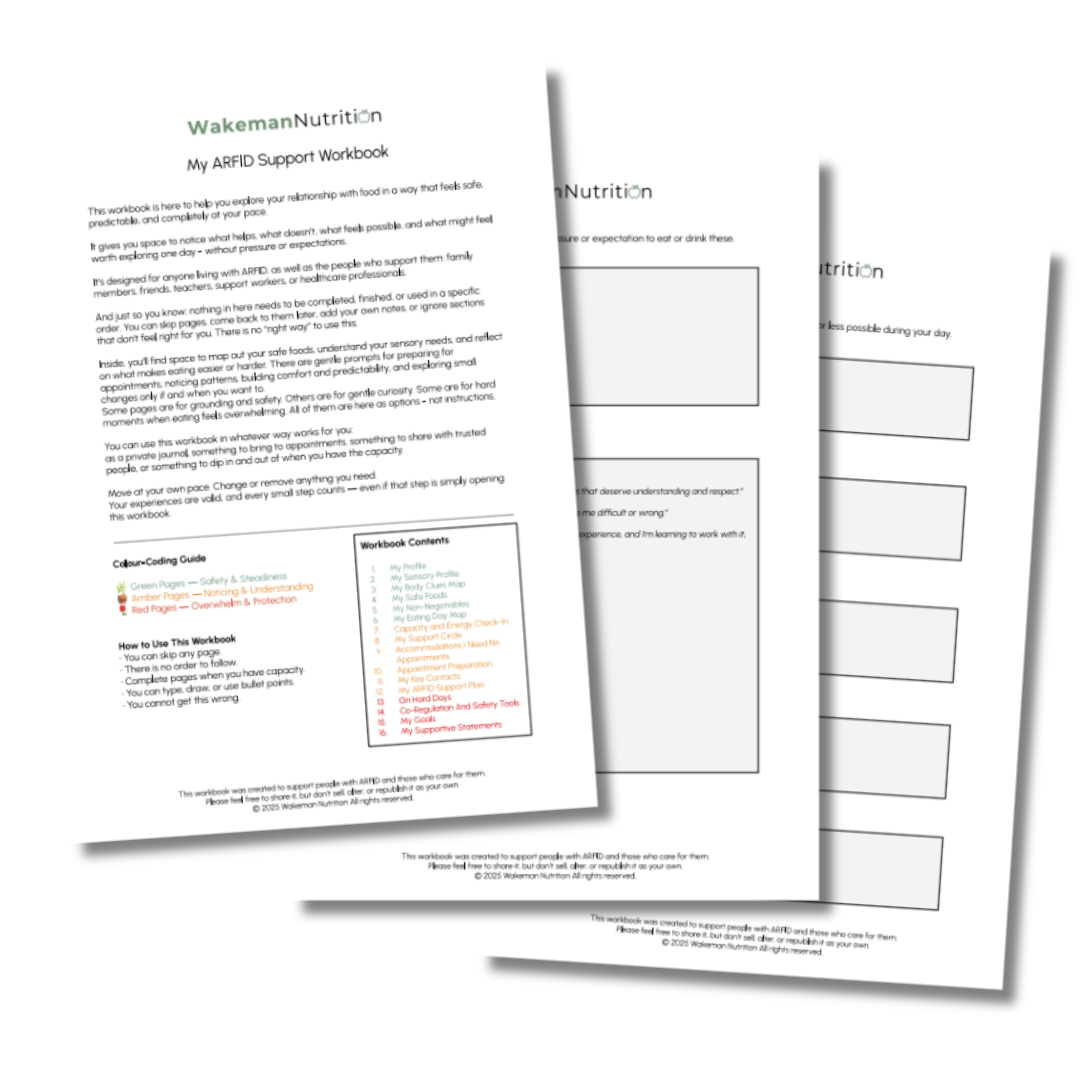
My ARFID Support Workbook
This workbook is a practical companion for people with ARFID to explore their relationship with food at their own pace. It includes flexible prompts to help you identify sensory preferences, safe foods, capacity, and what helps eating feel safer or harder. It’s provided in Google Docs format, so you’re encouraged to take a copy, edit it, and complete it in whatever way works best for you — this is yours. If you don’t have a Google account, you can download this printable pdf version. You can use it on your own, share it with trusted people, or bring it into appointments to support clearer communication and advocacy, without pressure to do it all
-

Body Image Timeline
Here is the Body Image Timeline, designed to help you explore your relationship with your body and the way you view yourself over time. This resource offers reflection questions and prompts to support self-awareness, uncover triggers for body image perceptions, and identify patterns influenced by life stages, relationships, and experiences. It aims to encourage self-compassion, validate your experiences, and empower you to begin shifting towards a kinder, more affirming perspective of yourself. Perfect for neurodivergent individuals, it provides a strengths-based approach to understanding and embracing your own journey with body image and well-being
-

How to Mange Body Checking Behaviours
Here is my guide, How to Manage Body Checking Behaviours, designed to help you break free from the cycle of body checking and restore trust in your body. This resource explains why body checking can feel compulsive, why it’s problematic, and how to take steps toward building a kinder, more connected relationship with your body. Use the included journal to raise awareness and start making meaningful changes.
-

Everything you need to know about Omega 3 Fats
Here is my guide, Everything You Need to Know About Omega-3, created to help you understand the different types of omega-3 fats, why they matter, and how you can include them in your diet in a way that feels doable and gentle. It explores the links between omega-3 and heart, brain, and overall health, offering compassionate, myth-busting insights and practical tips—especially for those who are neurodivergent or have sensory sensitivities. You’ll also find thoughtful advice on choosing food sources or supplements that suit your unique needs.
Why donate?
-
✽
Make Mental Health and Food Support Accessible to All
Your donation helps ensure that everyone - regardless of financial situation - has access to the resources they need to feel more at ease with food and body image. Many individuals face barriers to traditional support or have been left without care that truly understands their needs. By donating, you’re directly contributing to the creation of free, neuro-affirming resources designed to help those struggling with eating differences, food anxiety, and more, creating a compassionate path to recovery that’s open to everyone. -
✽
Empower a Community Through Knowledge and Self-Compassion
When you donate, you’re supporting a valuable network of free resources, from informative blogs to downloadable guides and podcast episodes that explore and normalise diverse eating experiences. These resources encourage self-compassion and empower individuals with the knowledge they need to make choices that feel right for their bodies. Every contribution makes it possible to produce new content that can reach those who benefit most from a non-diet, affirming approach to nutrition and well-being. -
✽
Expand Low-Cost Support Options for Those in Need
In addition to creating free resources, your donation helps me to offer reduced-rate consultations to those who would otherwise struggle to access support. For many, these sessions are a lifeline - a space to work through food-related challenges with empathy and tailored guidance. With each donation, I can continue to provide these options at a more affordable rate, making support accessible to individuals and families navigating unique food and body image concerns.
Who I support
I specialise in addressing disordered eating, aiding in eating disorder recovery, and facilitating body image healing through the application of non-diet nutrition and counseling. My focus is on assisting Neurodivergent individuals who experience challenges and stress related to food, grapple with guilt and shame post-meals, and struggle with overwhelming thoughts about eating.
I conduct my work online, providing personalized support to clients on an individual basis and occasionally organizing small group programs. Additionally, I offer professional supervision to nutritionists and therapists in practice.
FAQs
-
All donations go directly to me, Mel, to help me continue offering free or reduced-rate support to those in need. Your donation may not go directly to individuals, but it allows me to recharge, stay creative, and keep producing valuable resources - whether that’s by grabbing a cup of tea during a break or stocking up on doodling supplies for self-care as I create new guides and tools for our community.
-
Access to all resources is free of charge, and donations are optional. For this reason, I do no offer refunds. Thank you for understanding and for supporting my mission to make these resources available to as many people as possible!
-
All donations are made via Stripe, so you will get a confirmation of your donation.
-
Absolutely - you’re welcome to donate a different amount and can do so here.
-
Absolutely - please help yourself.